


- Home
- About
- Criminal Defense
- DWI
- Drug Crimes
- Violent Crimes
- Assault
- Assault Public Servant
- Aggravated Assault
- Domestic Violence
- Assault Family Violence
- Assault by Impeding Breath or Circulation
- Continuous Violence Against the Family
- Orders of Protection / Violation of Protective Order
- Robbery / Carjacking
- Child Abuse / Endangerment
- Injury to a Child / Elderly
- Indecency With a Child
- Indecent Assault
- Indecent Exposure
- Public Lewdness
- Terroristic Threat
- Deadly Conduct
- Murder / Manslaughter
- Kidnapping / Unlawful Restraint
- Sex Crimes
- Weapons Crimes
- Property Crimes
- Traffic Violations
- Revocation of Probation
- Failure to ID
- Resisting Arrest
- Evading Arrest
- Juvenile Crimes
- Engaging in Organized Criminal Activity
- Pre-Arrest and Investigations
- Immigration
- Personal Injury
- Other Practice Areas
- Scholarship
- Testimonials
- Blog
- Courthouses
- Contact
Recent Blog Posts
Crimes of Moral Turpitude and Deportation
Immigration laws now change from week to week, but crimes of moral turpitude are not only still deportable crimes – even charges for such a crime can result in deportation. Crimes of moral turpitude are generally considered those that involve fraud, dishonesty, or certain behaviors that can hurt others and require the element of intent.
Moral turpitude crimes include theft offenses, violent crimes, embezzlement, fraud, forgery, extortion, and even DUI. Not all crimes of moral turpitude result in a noncitizen being deported. Only a conviction for a crime of moral turpitude when the crime occurs within five years of the individual’s admission into the United States has previously been considered a deportable crime.
A "petty offense exception" also exists that applies when there is only one offense in question, the maximum potential sentence does not exceed one year, and the defendant is sentenced to an actual jail term of six months or less. This was true until the passage of the Laken Riley Act. The rules for crimes of moral turpitude are now somewhat less clear.
Will I Get Deported if I Am Arrested for a DWI?
 For non-citizens living in the United States, an arrest for driving under the influence (DUI, or DWI in Texas) can be very scary. Beyond the usual legal consequences, there is the fear of deportation, visa revocation, or losing the ability to apply for permanent residency. Whether you are a green card holder, student visa holder, or undocumented immigrant, a DUI charge can have serious immigration consequences.
At The Meza Law Firm, PLLC, we understand how overwhelming this situation can be. Our firm is small by design — just one Texas DWI defense attorney and two dedicated assistants — so we work closely with every client to create a custom legal strategy that addresses both the criminal case and the immigration fallout. Nuestro abogado habla español. Whether in English or Spanish, we give our clients clear, honest guidance to help them understand their options.
Can a DWI Lead to Deportation?
A single DUI conviction does not always mean you will be deported. However, certain things can increase the risk of immigration consequences, including:
Naturalization attorney
What ls a Naturalization Attorney?
A naturalization attorney is a legal professional specializing in helping immigrants navigate the process of becoming a naturalized citizens of a country. This includes assisting clients with the preparation and handling of citizenship applications, providing representation, during naturalization interviews, and offering guidance throughout the entire naturalization process.
Naturalization attorneys are well-versed in the laws and regulations related to citizenship, and they work to ensure that their clients meet all the requirements and deadlines necessary to obtain citizenship successfully. These attorneys also provide valuable legal advice and support to immigrants who may be facing challenges or complications in their journey toward naturalization. Overall a naturalization attorney plays a crucial role in helping immigrants achieve their goal of becoming citizens of a new country.
In addition to their legal expertise, naturalization attorneys often possess a deep understanding of the cultural and social aspects of immigration, allowing them to provide personalized and comprehensive support to their clients. They are committed to advocating for the rights and interests of immigrants and are dedicated to helping individuals navigate the complex and often overwhelming process of naturalization. With their in-depth knowledge and experience, naturalization attorneys are invaluable resources for immigrants seeking to secure their place and future in a new homeland.
Criminal Defense for Non-Citizens: Protecting Your Rights
Immigrants play a vital role in enhancing the cultural fabric and contributing to the development of nations. However, when non-citizens encounter legal troubles in a foreign land, the consequences can be particularly daunting. It is crucial to fully understand the intricacies of criminal defense for non-citizens and to retain the services of the best criminal defense attorney they can find. This blog post will provide an in-depth understanding of criminal defense for non-citizens, emphasize the significance of securing top-notch legal representation, and highlight key elements of an effective defense strategy.
Understanding Criminal Defense for Non-Citizens is the first step towards safeguarding the rights and liberties of individuals facing legal challenges in a foreign country. Legal systems often differ from one jurisdiction to another and can be particularly complex for non-citizens.
Retaining the best criminal defense attorney is an essential safeguard against unjust outcomes. As non-citizens grapple with unfamiliar legal processes, they require expertise tailored to their specific circumstances.
Your Complete Guide to the DACA Renewal Process
Deferred Action for Childhood Arrivals (DACA) is a US immigration policy that provides temporary protection from deportation for individuals who were brought to the United States as children. It also grants them access to work permits and other benefits that allow them to fully participate in American society. A confusing part of this policy for many people is the DACA renewal process. Luckily, you don't have to go it alone, as our team will guide you with this helpful article.
What Is the DACA Renewal Process?
If you're a DACA recipient, you must renew your status every two years to avoid losing your protection from deportation and your work permit eligibility. The renewal process involves several steps, including filling out forms, gathering documents, and scheduling an appointment with a United States Citizenship and Immigration Services (USCIS) office.
Step-by-Step DACA Renewal Process.
- To be eligible for renewal, you must first meet certain criteria, such as having been under the age of 31 before June 15, 2012, and having arrived in the United States before June 15, 2007. Additionally, you must be enrolled in school, have a high school diploma or GED certificate, or have served in the military. You also can't have been convicted of a felony, significant misdemeanor, or three or more misdemeanors. If you meet these criteria, you'll need to do the following:
What to Look for in a Criminal Defense Attorney
In the face of any criminal charges, having a competent and skilled criminal defense attorney by your side cannot be overstated. With their expertise, experience, and strategic thinking, they can make a significant difference in the outcome of your case. However, with numerous attorneys to choose from, finding the right one can be challenging.
This blog post will outline the key things to look for in a criminal defense attorney. By considering factors such as reputation, experience, and communication skills, as well as understanding the essential qualities of a skilled criminal defense attorney, you can make an informed decision and secure the legal representation you deserve.
What Is a Criminal Defense Lawyer?
Criminal defense lawyers protect defendants' rights and help them build cases that reduce the negative consequences of being arrested. Within the criminal defense practice, an attorney may specialize in specific types of crime. For example, some criminal defense lawyers may only handle cases that involve drug charges, violent crimes, federal charges, or sex crime charges. By specializing in a particular area, the attorney usually has the time to build a strong foundation, knowledge, and experience defending against these charges.
What Is a Family Violence Lawyer, and When Does the Accused Need One?
When the term "family violence" enters our lexicon, it's often met with a heavy heart. It refers to various abusive behaviors within family settings, and unfortunately, many people face these turbulent and sensitive situations. In the heart of Texas, specifically in Dallas and Fort Worth, the need for specialized legal services in this area has become increasingly crucial. Enter the family violence lawyer, a beacon of legal expertise for individuals navigating accusations or charges of family-related altercations.
Navigating the Waters of Family Violence Law
Family violence lawyers are legal professionals who specialize in cases where assault, threats, or other harmful acts occur between family members. This can include domestic partnerships, spouses, parents and children, and other domestic relationships. They not only advocate for the rights of those facing accusations but also help in clarifying the intricate maze of family law.
What Happens if you Get Divorced After Green Card
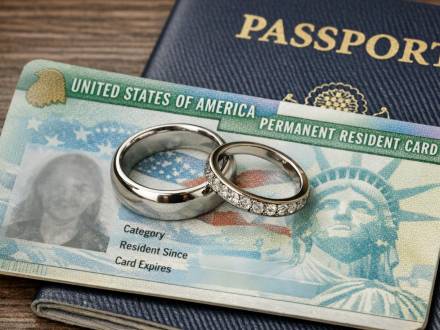 A divorce on its own is an incredibly difficult and emotional process, twofold when you're dealing with the added stress of immigration. If you obtained a green card through marriage, getting divorced can have serious consequences for your immigration status-but with the help of a dedicated legal team, you should have nothing to worry about. Below, we explore what happens if you get divorced after obtaining a green card and what your options are.
Conditional green card
If you obtained a green card through marriage and your marriage was less than two years old at the time of approval, you likely received a conditional green card. This means that your green card is valid for two years, after which you must apply for removal of conditions to obtain a permanent green card. To apply for removal of conditions, you and your spouse must jointly file Form I-751, Petition to Remove Conditions on Residence.
If you get divorced before you can apply for removal of conditions, you can still apply on your own by filing Form I-751 with a waiver of the joint filing requirement. However, you will need to prove that your marriage was entered into in good faith and not solely for immigration purposes. This can be difficult to do without the help of an experienced immigration attorney.
The Importance of Having a Bilingual Attorney for Your Immigration Case
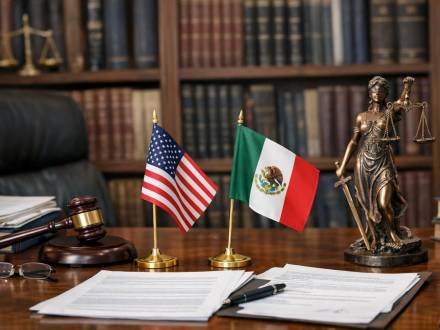 Navigating the complexities of the US immigration system can be a daunting task, especially if you are not fluent in English. When dealing with immigration matters, having a bilingual attorney is often pivotal in achieving a successful result. Their ability to communicate effectively in your native language can make a significant difference in understanding your rights, providing accurate information, and ultimately helping you obtain US citizenship.
At The Meza Law Firm, our legal team works tirelessly to help reunite families and facilitate immigration to the United States. We believe in the value of effective communication, which is why attorney Edwardo R. Meza offers legal services in both English and Spanish. Below we will discuss the importance of having a bilingual attorney for your immigration case and how their language skills can enhance the legal process.
Understanding cultural sensitivity and communication
How Family Immigration Lawyers Help Reunite Loved Ones
The role of family immigration lawyers cannot be overemphasized in the process of reuniting families. The United States is a country with a diverse population, and one of the many reasons that bring people to the U.S. is the quest to be with their loved ones. Family is central to human existence, and the emotional pain that comes with separation can be overwhelming.
Unfortunately, several factors can prevent an individual from moving to the US to be with their loved ones, including legal and logistical challenges. In such situations, the services of professional lawyers come in handy as they provide the much-needed legal assistance to reunite families.
Reasons you may need a family immigration lawyer
There are several scenarios that could prevent someone from immigrating to the United States, each with its unique challenges. One typical obstacle is the lack of proper documentation or legal status. Without proper documentation, it is almost impossible to enter the U.S. legally. This could be due to expired or invalid visas, overstaying previous visas, or even entering the country illegally. In such cases, a family immigration lawyer can help the individual obtain the necessary paperwork and legal documentation needed to move to the United States.









Get In Touch Today
If you have any questions about the legal services we offer, reach out to us and we will be in touch.

300 Burnett St. #145
Fort Worth, TX 76102
P 817-732-6392
F 817-704-4476
E edwardo@mezalawfirm.com


From our office in Fort Worth, Texas, The Meza Law Firm, PLLC provides legal help to clients in the surrounding communities, including Arlington, Azle, Bedford, Benbrook, Burleson, Colleyville, Crowley, Euless, Flower Mound, Forest Hill, Grand Prairie, Grapevine, Haltom City, Hurst, Keller, Kennedale, Mansfield, North Richland Hills, Richland Hills, River Oaks, Saginaw, Southlake, Watauga, Weatherford, and White Settlement.
Results listed are not a guarantee or indication of future case results.


